The coals of your camp fire can bake up some tasty bread (if you have the secret ingredient to make your dough). When I started experimenting with camp breads years ago, I turned to old outdoor texts to find the recipes for bannock, damper, hard tack and every other kind of camp bread and trail biscuits you’ve heard about. The recipes themselves were simple enough: some flour here, some lard there, maybe some baking powder in more modern incarnations of this ancient, oven-free bread. But those simple ingredients didn’t leave much room for error, and usually yielded something closer to ceramics than biscuits. I finally stumbled upon the “only add water” complete pancake mix for camp bread, and I’ve never turned back. Next time you’re out there, try these simple techniques to make camp bread.
Ash Cakes on the Coals
First take one cup of complete pancake mix, and some extra water on your next primitive cookout or camping trip. Build up a medium-sized camp fire, and then let it die down into ashes and coals. Better yet, take advantage of the drying coals from a fire you used for another purpose.
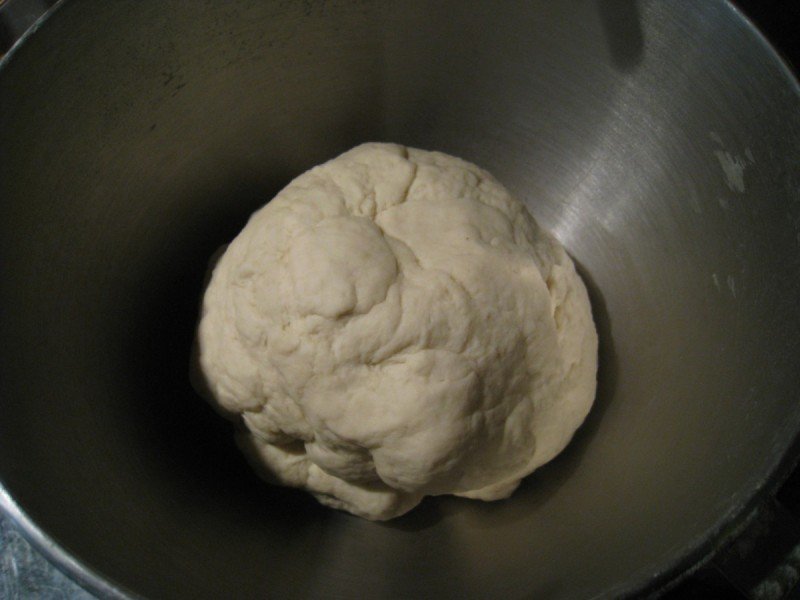
When your coals are ash covered, but still very hot - pour 1/3 cup of the pancake mix into a container (or a clean hand). Start adding water, one spoonful at a time, and stirring the mix around with a stick or your clean finger, until the mix forms a ball of dough. You’re looking for a soft bread dough texture, a little softer than Playdough. If it’s too sticky, add more dry mix. The real test of consistency is that you can pat it into a ¼ inch thick pancake. Use some of the dry mix on your hands before patting the bread flat, to avoid gluing your hands together.
Next, toss the flat cake into the bed of coals and watch it closely as it starts to fluff up. You’ll cook it about one or two minutes on one side, depending on the heat of the coals. When it becomes rigid (like a little flat biscuit), and the very bottom edge begins to brown – use a stick to flip the cake over and cook it for 30 to 60 more seconds.
Use a stick to move the cooked cake out of the bed of coals, wait a few seconds for it to cool, then blow on it briskly to remove any lingering ash. A little ash won’t hurt you, a lot will taste nasty. Top your finished ash cake with butter, jam, honey, or maple syrup. Or, just eat it plain.
Bread On A Stick
Remember that ashcake dough? Instead of patting it out as a cake to drop in the coals of your campfire, roll it into a long roll (like a bread-stick) on a flat surface. Once you have your dough roll, spiral wrap it around a stick that you can stab into the ground near your fire. Rotate the stick once it browns on the side, to cook your dough evenly. When all parts have a bread-like consistency, enjoy your bread-on-a-stick.
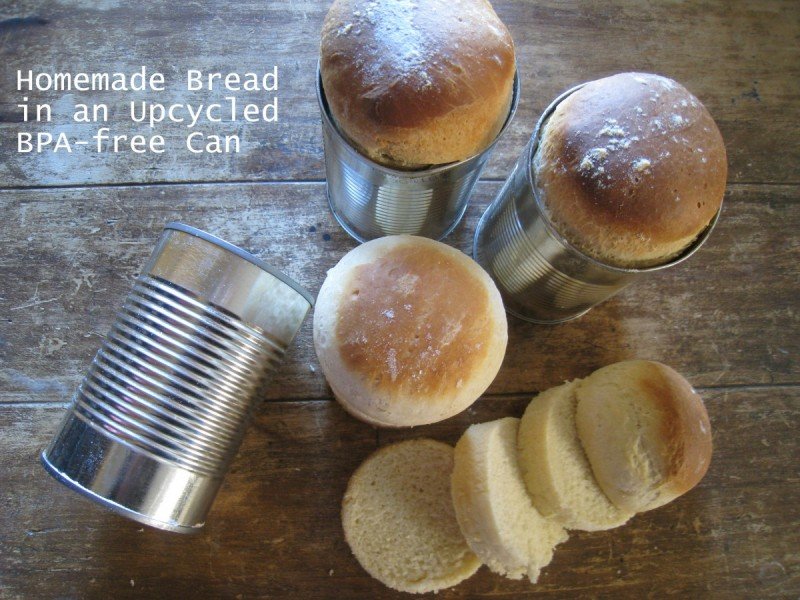
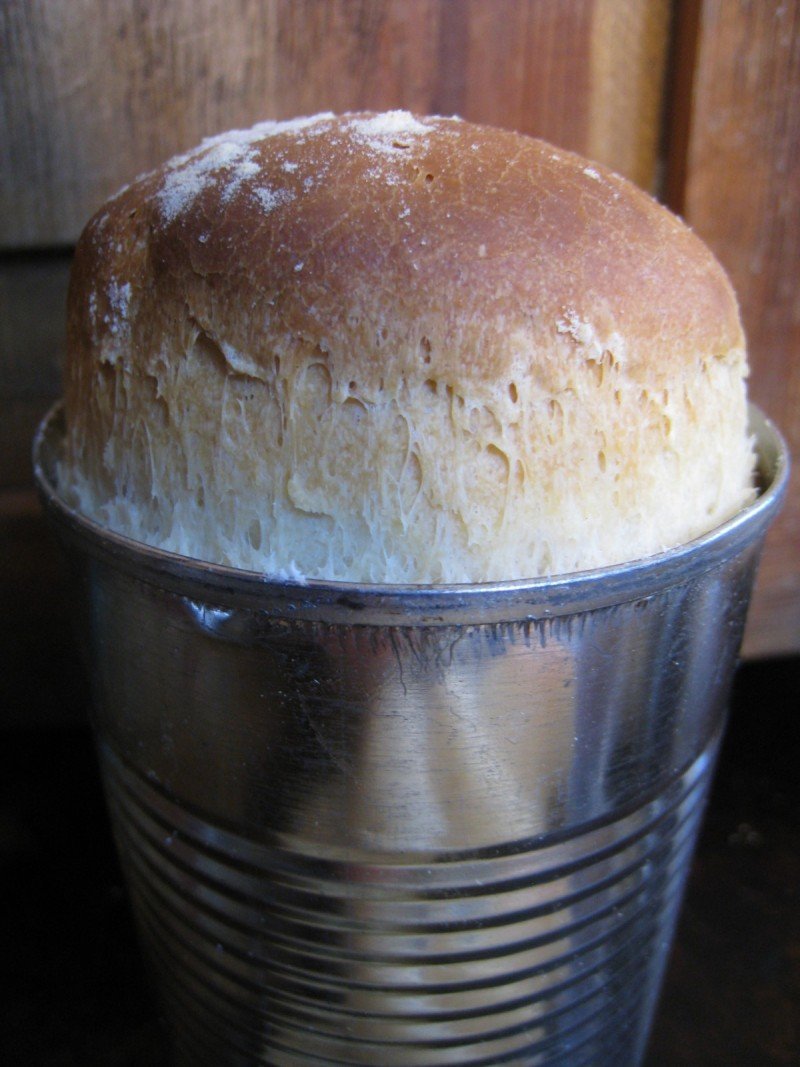
Tin Can Baker Get a food can with the lid still slightly attached. Burn it in the fire to “clean” it out and to remove any possible plastic lining in the can. Then make your bread dough into a roll that fills less than half of the can. Fold the lid closed, and set it on its side on the ground. Place a few scoops of embers from a fire around the can, and turn the can every 10 minutes. Add more embers as they burn down, and periodically check your dough. Once the “roll” looks finished, allow it to finish baking in the dying embers. Remove the roll from the can when you think it’s done (about 30-45 minutes), and enjoy while warm. Have you ever made bread with a campfire? Please share your tricks and tips by leaving a comment.
Source
Ash Cakes on the Coals
First take one cup of complete pancake mix, and some extra water on your next primitive cookout or camping trip. Build up a medium-sized camp fire, and then let it die down into ashes and coals. Better yet, take advantage of the drying coals from a fire you used for another purpose.
Use a stick to move the cooked cake out of the bed of coals, wait a few seconds for it to cool, then blow on it briskly to remove any lingering ash. A little ash won’t hurt you, a lot will taste nasty. Top your finished ash cake with butter, jam, honey, or maple syrup. Or, just eat it plain.
Bread On A Stick
Remember that ashcake dough? Instead of patting it out as a cake to drop in the coals of your campfire, roll it into a long roll (like a bread-stick) on a flat surface. Once you have your dough roll, spiral wrap it around a stick that you can stab into the ground near your fire. Rotate the stick once it browns on the side, to cook your dough evenly. When all parts have a bread-like consistency, enjoy your bread-on-a-stick.
Tin Can Baker Get a food can with the lid still slightly attached. Burn it in the fire to “clean” it out and to remove any possible plastic lining in the can. Then make your bread dough into a roll that fills less than half of the can. Fold the lid closed, and set it on its side on the ground. Place a few scoops of embers from a fire around the can, and turn the can every 10 minutes. Add more embers as they burn down, and periodically check your dough. Once the “roll” looks finished, allow it to finish baking in the dying embers. Remove the roll from the can when you think it’s done (about 30-45 minutes), and enjoy while warm. Have you ever made bread with a campfire? Please share your tricks and tips by leaving a comment.
Source

 with the
  ,
,  , and the manual
  .
. is a bit more expensive, but well-known for it’s adherence to organic and non-GMO practices.
 ).
).